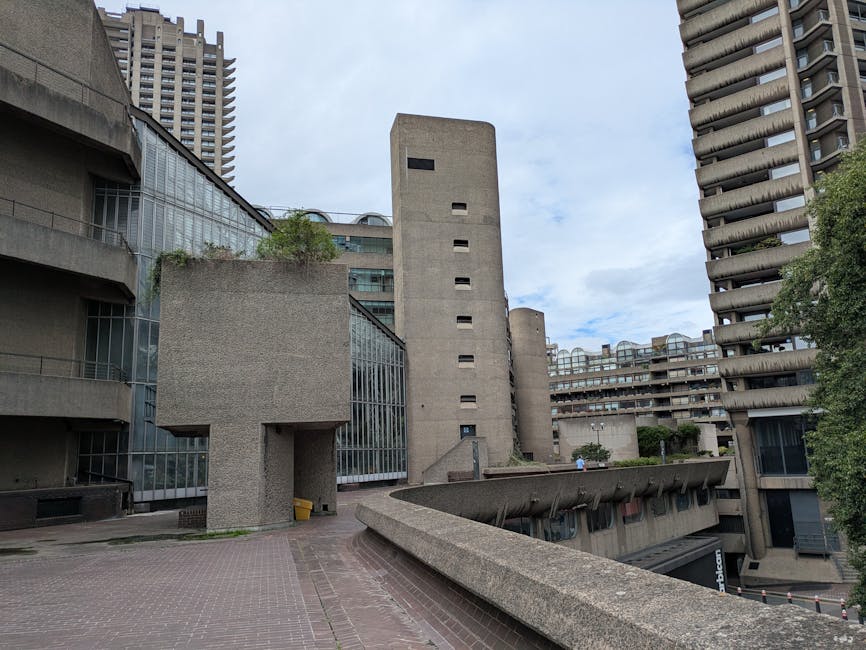
Rubbish clearance near Barbican Centre quick local guide
If you need rubbish cleared near the Barbican Centre, chances are you want it done quickly, quietly, and without turning your day upside down. That could mean a few bags after a flat tidy-up, an old sofa that has been staring at you for months, or a bigger office or builders clearance that needs proper handling. Either way, the job is usually less about "getting rid of stuff" and more about getting life back to normal.
This Rubbish clearance near Barbican Centre quick local guide walks you through how local clearance services typically work, what to expect in the City of London area, which options suit different jobs, and how to avoid the annoying little pitfalls that waste time and money. No fluff. Just the practical bits, with a local lens.
Table of Contents
- Why rubbish clearance near Barbican Centre matters
- How rubbish clearance near Barbican Centre works
- Key benefits and practical advantages
- Who this is for and when it makes sense
- Step-by-step guidance
- Expert tips for better results
- Common mistakes to avoid
- Tools, resources and recommendations
- Law, compliance, standards and best practice
- Options, methods and comparison table
- Case study or real-world example
- Practical checklist
- Conclusion
- Frequently asked questions
Why Rubbish clearance near Barbican Centre quick local guide Matters
The Barbican Centre sits in one of London's busiest and most access-sensitive districts. That matters more than people expect. Deliveries, service access, timed building entry, narrow roads, shared entrances, and mixed-use spaces can all make a simple clearance feel more complicated than it should. If you've ever stood in a lift lobby with a broken desk and wondered, "Right, how exactly is this leaving the building?" you're not alone.
Local rubbish clearance is useful here because it reduces friction. A good team understands that central London waste jobs are rarely just about lifting items into a vehicle. They often involve timing, access coordination, parking realities, and careful handling so residents, staff, or neighbours are not disrupted. That is especially true around offices, flats, galleries, and mixed buildings near the Barbican.
It also matters because clearance is not always as simple as putting things out for collection. Some items need special handling, some waste streams should be separated, and some jobs are better tackled with a direct collection rather than a skip left on a street where space is limited. A quick local guide like this helps you choose the sensible option first time.
Expert summary: near the Barbican Centre, speed is useful, but planning is what keeps a clearance smooth. The best outcome is usually not the cheapest-looking quote on paper; it is the one that fits access, time, item type, and building rules without drama.
How Rubbish clearance near Barbican Centre quick local guide Works
Most rubbish clearance jobs follow a fairly straightforward flow. The difference near the Barbican is that the details matter more. A quick job can still need a bit of coordination. Not a big production, just enough to avoid headaches.
Typical process
- Initial enquiry or booking. You explain what needs removing, roughly how much there is, and whether there are awkward items such as a fridge, mattress, or dismantled furniture.
- Assessment or quote. For smaller jobs, a provider may give an estimate based on photos or a description. For larger or mixed loads, a more detailed quote is often safer.
- Access planning. This is the big one in central London. Someone needs to think about loading points, lift use, stair access, timing, and whether there are restrictions at your building.
- Collection and loading. The team removes items, usually sorting and separating as they load where appropriate.
- Waste handling. Reusable and recyclable items are typically separated where possible, and waste is transferred to the right facility.
In practice, the process can be fast. Sometimes very fast. If access is clear, items are ready, and the waste type is straightforward, a clearance may feel almost surprisingly simple. The catch is preparation. A tidy, labelled pile by the door is one thing; a basement full of mixed junk behind three locked doors is another. You get the idea.
What local teams usually need from you
- What needs clearing, in plain English
- Approximate volume or number of items
- Any heavy or bulky pieces
- Floor level and lift availability
- Parking or loading constraints
- Whether the clearance is domestic, office-based, or linked to building work
If the load is business-related, a service such as business waste removal may be the better fit. For domestic clear-outs, options like house clearance or flat clearance can be more relevant. That little distinction saves time later.
Key Benefits and Practical Advantages
A well-run rubbish clearance does more than make a space look better. It gives you breathing room. And in a central location, breathing room is worth a lot.
- Speed. Local collection usually beats waiting around with bags in a hallway or loading bay.
- Less disruption. A decent team can work around building rules and minimise noise and foot traffic.
- Better handling of awkward items. Fridges, sofas, mattresses, and mixed waste need different treatment.
- Reduced risk. Heavy lifting, sharp edges, and blocked escape routes are all things you would rather not manage alone.
- Cleaner separation. Reusable, recyclable, and general waste can be handled more sensibly when the job is organised properly.
There is also the simple relief factor. You notice it straight away. The room looks bigger. The corridor feels less cramped. Even the air can seem fresher once the old clutter is gone. A bit dramatic? Maybe. But anyone who has lived with a pile of "to sort later" knows exactly what I mean.
For larger clean-outs, services such as home clearance, office clearance, or builders waste clearance can be more efficient than trying to piece the job together yourself.
Who This Is For and When It Makes Sense
This kind of service suits a lot of people, not just those doing a full renovation or moving out. In fact, the smaller jobs are often the ones that linger the longest.
Common local scenarios
- Residents in flats or apartments who need bulky waste removed without a skip taking over the street.
- Office managers clearing desks, chairs, filing cabinets, or confidential material.
- Landlords and letting agents preparing a property between tenancies.
- Homeowners dealing with lofts, garages, and rooms that have become storage zones.
- Tradespeople who need post-job waste taken away quickly so the site is left tidy.
If you have a single item, a mixed load, or a clearance deadline, rubbish removal near the Barbican can be a sensible choice. If you're doing a larger refurbishment, a dedicated builders waste clearance option is often more suitable than generic rubbish removal. It depends on what is actually in the pile, not just how big the pile looks.
Truth be told, many people wait too long. The old chair sits there. The broken chest of drawers leans against the wall. Then suddenly it is blocking a move-out, a handover, or a redecorating weekend. That is usually the point where quick local clearance starts looking very sensible.
Step-by-Step Guidance
If you want the process to go smoothly, a little organisation goes a long way. Here's the cleanest way to handle it.
- Separate what is going. Keep rubbish, reusable items, electricals, and special waste apart where you can.
- Take a quick inventory. Count larger items. Roughly estimate bag numbers. Photos help too, especially for mixed loads.
- Check access. Note stairs, lifts, loading access, and any building-specific restrictions.
- Ask about item types. Fridges, mattresses, and hazardous items may need special handling, so identify them early.
- Compare the service fit. A clearance provider, skip-related service, or specialist disposal route may all be appropriate depending on your job.
- Book a suitable time. Early slots can help in busy areas. Mid-morning often gives a better chance of smoother access than rush-hour chaos.
- Prepare the items. Move waste to one accessible point if you can do so safely.
- Confirm what happens after collection. If you want a more structured approach to sorting and disposal, ask about recycling and sustainability processes.
A surprisingly common issue is forgetting about a few awkward items until the team arrives. One old monitor. A cracked mirror. Two paint tins. It happens. To avoid delays, do one last sweep of the space before the collection time. It saves everyone a bit of faff.
If you need to clear furniture specifically, you may find furniture clearance or furniture disposal more useful than a general clearance page, especially when the job is mostly sofas, tables, beds, or wardrobes.
Expert Tips for Better Results
These are the little things that make a clearance easier, especially in a busy central location.
- Photograph everything before booking. It helps avoid quote surprises and makes the job clearer.
- Keep access routes clear. Lift lobbies, corridors, and doorways should not become temporary storage.
- Be honest about volume. Underestimating waste is one of the quickest ways to create delays.
- Flag difficult items early. Appliances, mattresses, damaged furniture, and mixed construction waste all need attention.
- Ask how recycling is handled. A responsible provider should be able to explain the broad approach in plain terms.
- Plan around building hours. Some buildings are calmer at certain times, and it helps a lot.
One practical tip that sounds small but matters: label what is definitely going and what is definitely staying. It sounds almost too obvious, I know. But when you are half-tired and trying to clear a room before lunch, "obvious" is exactly the kind of thing that gets missed.
For delicate or unusual items, look at dedicated services such as fridge and appliance removal, mattress and sofa disposal, or garage clearance. Matching the service to the waste stream is usually the smartest move.
Common Mistakes to Avoid
Most clearance problems are avoidable. Not all, but most. Here are the ones that crop up often.
- Booking the wrong type of service. Domestic waste, business waste, and builders waste are not all the same.
- Forgetting access constraints. A van may be nearby, but if loading access is awkward, the job slows down quickly.
- Mixing restricted items with general rubbish. This can complicate handling and disposal.
- Leaving everything until the last minute. That tends to make everything feel more expensive and more stressful.
- Assuming one quote fits all. Cheap-looking estimates can change if the job details are vague.
- Ignoring building rules. In central London, that can create friction you really do not need.
Another classic mistake is booking a service without checking whether the provider is insured and operates safely. That sounds dry, but if you are dealing with stairs, tight corners, or heavy objects, it is not dry at all. It matters.
Tools, Resources and Recommendations
You do not need specialist kit to arrange rubbish clearance, but a few simple tools make the process easier.
| Tool or resource | Why it helps | Best use |
|---|---|---|
| Phone photos | Gives a clearer view of volume and item type | Before requesting a quote |
| Basic checklist | Keeps you from forgetting awkward items | Room-by-room clearance |
| Measuring tape | Helps with bulky items and access planning | Furniture, appliances, narrow stairwells |
| Label stickers or notes | Separates keep, donate, and remove piles | Mixed household or office jobs |
| Building access details | Reduces delays on the day | Flats, offices, managed buildings |
From a service perspective, the most useful pages are often the ones that explain the job type clearly. For a broader overview of removal services, waste removal is a sensible starting point. If you need something more specific, loft clearance, garage clearance, or garden clearance may fit better.
And if the job involves records, documents, or sensitive business material, confidential handling matters. In that case, confidential shredding is worth reviewing rather than bundling papers into a general clearance. Easy to forget, but important.
Law, Compliance, Standards, or Best Practice
Waste jobs in the UK come with responsibilities, even when the job is relatively small. You do not need to become a compliance expert to arrange a clearance, but it helps to know the basics.
In plain English, you should avoid handing waste to anyone who cannot handle it properly or who seems vague about where it goes. Reputable operators should have appropriate processes for collection, transfer, sorting, recycling, and disposal. For business waste, that expectation is even stronger because records, duty of care, and clear handling standards matter more.
There are also sensible health and safety expectations. Clear access, safe lifting, and careful handling of hazardous or sharp items are part of doing the job properly. If a provider discusses these points clearly, that is a good sign. If they brush them off, less good.
Special items should be treated with care. Fridges, some appliances, and potentially hazardous materials are not just "extra stuff." They may require separate handling. The same goes for anything that could leak, break, or create a risk during transport. That's where a cautious approach pays off.
It is also worth checking practical business standards like transparent pricing, payment security, and a clear complaints process. Those details are boring right up until you need them. Then they are not boring at all.
For peace of mind, you can review supporting pages such as insurance and safety, health and safety policy, payment and security, and terms and conditions. They do not remove the need for good judgment, but they do help you choose more confidently.
Options, Methods, or Comparison Table
There are usually a few ways to deal with rubbish near the Barbican. The best one depends on access, time, volume, and item type.
| Method | Best for | Pros | Watch out for |
|---|---|---|---|
| Direct rubbish clearance | Mixed household or office waste | Fast, convenient, minimal disruption | Needs good item descriptions and access info |
| Skip-based solution | Larger DIY or building jobs | Useful for ongoing works | Space and permit considerations can be an issue |
| Specialist item removal | Appliances, mattresses, sofas | Better handling for specific items | Not ideal for mixed loads |
| Full property clearance | Moves, probate, end-of-tenancy, major declutter | One coordinated visit | Requires better planning and scope clarity |
If your job is mostly about one or two bulky items, a specialist route is often easiest. If it is a full room, floor, or property, a broader clearance service is usually more efficient. And if you are not sure which bucket your job falls into, that is normal. Honestly, a lot of people are in that exact spot when they first enquire.
For more detail on skip suitability, what can go in a skip is a helpful reference point. It is not always the right answer, but it is worth understanding before you decide.
Case Study or Real-World Example
Here is a realistic example from the kind of job that comes up near the Barbican all the time.
A resident in a managed flat needed to clear a mix of broken shelving, a small sofa, two bags of household waste, and an old appliance after a room refit. The building had lift access, but the loading bay was shared and time-limited. Nothing dramatic, just the usual central London juggling act.
The sensible approach was simple:
- Photograph the items in advance
- Confirm the lift size and access window
- Identify the appliance separately
- Keep the waste near one exit point
- Arrange a clearance slot that avoided the busiest part of the day
The job itself was straightforward once the access details were sorted. The resident did not need a skip, did not need to wait around all day, and did not have to drag a sofa across a hallway on their own. That last bit alone saves a lot of stress, to be fair.
The main lesson? Most "difficult" clearance jobs are really just "unclear" jobs. When the waste type, access, and timing are explained properly, the work gets much easier.
Practical Checklist
Use this quick checklist before you book rubbish clearance near the Barbican Centre.
- Have I listed everything that needs removing?
- Are there any heavy, awkward, or fragile items?
- Do I know whether this is household, office, builders, or mixed waste?
- Have I checked lift, stair, and loading access?
- Do I need confidential handling for papers or files?
- Are there appliances, mattresses, or other specialist items involved?
- Have I separated keep, donate, and remove piles?
- Have I confirmed the best time window for access?
- Have I asked about recycling or reuse where relevant?
- Do I understand the quote and what it covers?
Quick take: if you can answer those questions cleanly, the actual clearance is usually far smoother than you expect. A little prep, a little honesty about the load, and you are most of the way there.
Conclusion
Rubbish clearance near Barbican Centre works best when it is treated as a practical access-and-logistics job, not just a disposal job. The right service should save you time, reduce disruption, and help you handle waste responsibly without turning the day into a puzzle. Whether you are clearing a flat, an office, a loft, a garage, or a mixed load after building work, the basics stay the same: know what you have, understand the access, and choose the service that actually fits the waste.
If you want a straightforward next step, review the service details that match your situation, check how the provider handles safety and recycling, and make sure the quote reflects the real job rather than a best-case guess. That's usually the difference between a smooth morning and a messy one.
Get a free quote today and see how much you can save.
Frequently Asked Questions
How quickly can rubbish be cleared near the Barbican Centre?
Often quite quickly, provided access is clear and the waste type is described properly. Small clearances can be arranged fast, while bigger or more complex jobs may need a bit more coordination.
Is rubbish clearance better than hiring a skip near Barbican Centre?
It depends on the job. Clearance is usually better for mixed waste, bulky items, and locations with tricky access. A skip may suit ongoing building or DIY work if space and permissions make sense.
What kind of items can usually be taken?
Typical items include furniture, bags of rubbish, appliances, mattresses, office items, and general household clutter. Hazardous or restricted items need special handling, so always mention them first.
Do I need to sort the waste before collection?
Some sorting is helpful, but you usually do not need to create a perfect system. Keep obvious categories separate where you can, especially appliances, confidential papers, and anything fragile or sharp.
Can office rubbish be cleared near the Barbican?
Yes. Office clearances are common in this part of London. Desks, chairs, shelving, paperwork, and mixed business waste can often be removed efficiently if access is organised in advance.
What if I have a sofa or mattress to get rid of?
Those items are best treated as specialist removals rather than ordinary rubbish. Dedicated disposal options usually make the process cleaner and more efficient.
Will the team help with heavy lifting?
Normally, yes. That is one of the main reasons people book a clearance service in the first place. Still, it helps to mention stairs, awkward corners, and tight access before the team arrives.
How do I avoid unexpected charges?
Give a clear description, share photos if possible, and be honest about the amount and type of waste. Hidden surprises usually come from missing details rather than the collection itself.
Is rubbish clearance suitable for flats and managed buildings?
Very much so. In fact, it is often the easiest option for flats because it avoids the hassle of skip placement, street space, and long waiting periods.
What should I ask before booking?
Ask what the quote includes, how access is handled, whether special items need separate treatment, and how the provider approaches recycling and disposal. Simple questions, but useful ones.
Do business and household clearances follow the same approach?
Not always. Business waste often needs more careful handling, especially for documents, equipment, and regulated disposal expectations. Household jobs can be simpler, but they still need proper planning.
Where can I learn more about the company before booking?
You can review useful pages such as about us, pricing and quotes, recycling and sustainability, and contact us to understand how the service is presented and what to expect.